Short answer: Your Texas home might be over-assessed compared to neighbors primarily due to mass appraisal methods, which can overlook individual property nuances, or because your property's value is not "equal and uniform" with comparable homes. While the 10% homestead cap limits annual increases for primary residences, it doesn't prevent an initial over-assessment or apply to non-homestead properties. Understanding these factors is key to a successful protest.
- Mass appraisal can lead to individual property over-assessment.
- Texas law protects your right to an "equal and uniform" appraisal.
- The 10% homestead cap has limitations and exceptions.
- Gather evidence of comparable sales and unequal appraisals.
- Protest deadlines are crucial—typically May 15 or 30 days after notice.
- Professional help can uncover hidden 'gaps' in your assessment.
Why Your Home Might Be Over-Assessed Compared to Neighbors in Texas
It’s a common frustration for Texas homeowners: receiving an appraisal notice that values your property significantly higher than what a similar home down the street was assessed for. This “gap” in valuation can feel unfair, and often, it is. Several factors contribute to this discrepancy, rooted in how appraisal districts operate and specific Texas property tax laws.
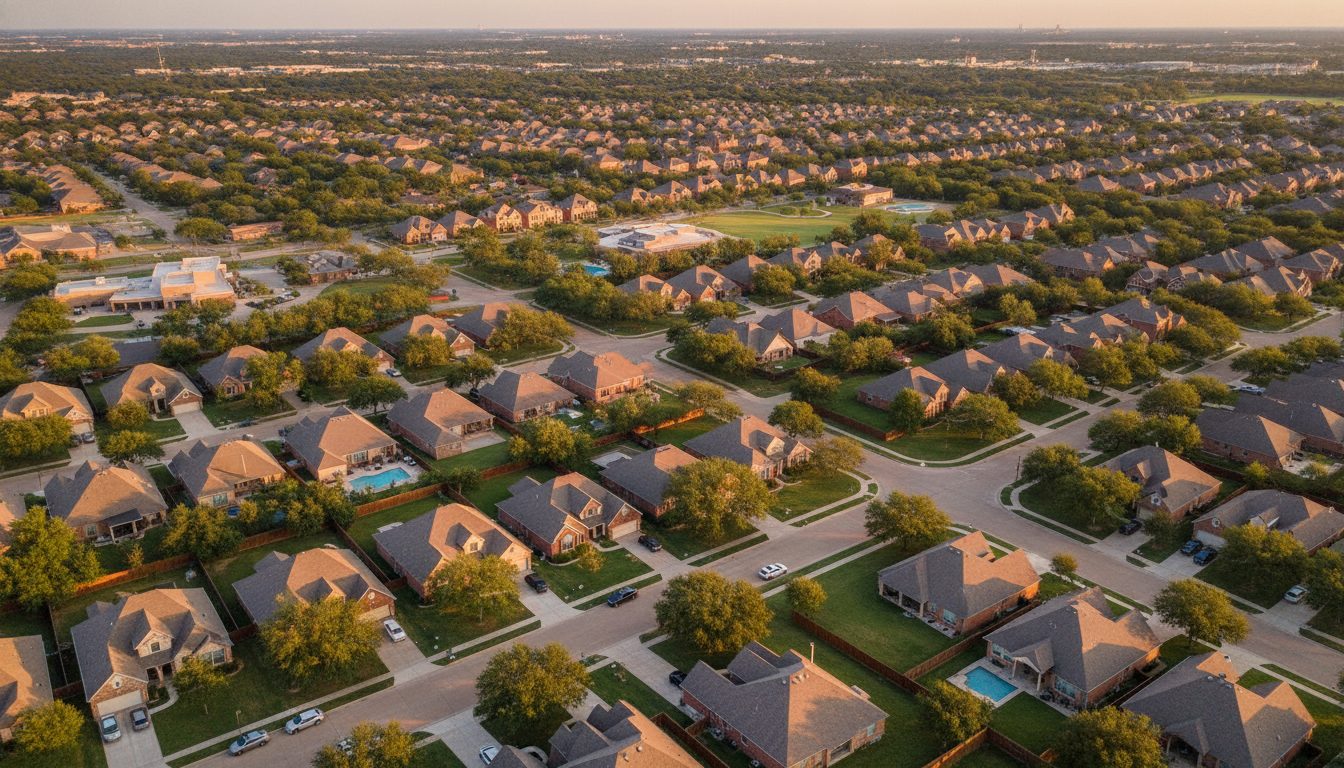
The core of the issue often lies with the sheer volume of properties appraisal districts must assess. They use mass appraisal techniques, applying broad models and data points to thousands of homes at once. While efficient, this approach can miss unique characteristics of individual properties or fail to accurately reflect market values compared to truly similar homes.
How Texas Appraisal Districts Value Homes (And Where They Can Go Wrong)
Texas appraisal districts, like Travis Central Appraisal District (TCAD) or Dallas Central Appraisal District (DCAD), are tasked with valuing all properties in their county at 100% of their market value as of January 1 each year. They primarily use three approaches:
- Sales Comparison Approach: Comparing your home to recent sales of similar properties. This is usually the most relevant for residential properties.
- Cost Approach: Estimating the cost to replace the property, less depreciation.
- Income Approach: Used for income-producing properties, like rentals.
The challenge with the sales comparison approach in mass appraisal is that “similar” can be subjective. An appraisal district’s model might compare your 1980s ranch home to a newly remodeled one nearby, or overlook critical differences in lot size, condition, or features. This can lead to an inflated assessed value for your property compared to its true market value or to truly comparable neighbors.
The "Equal and Uniform" Rule: Your Key to Fairness
One of the most powerful tools Texas homeowners have against over-assessment is the “equal and uniform” provision under Texas Tax Code 41.43(b)(3). This rule states that your property must be appraised uniformly with comparable properties in your neighborhood. If your home is assessed at a higher value per square foot (or other relevant metric) than similar properties, you have grounds for a protest.
This is where the “gap” often becomes most evident. An appraisal district might value your home at $250 per square foot, while several comparable homes in your immediate area were assessed at $200 per square foot for the same tax year. Proving this discrepancy with solid evidence is central to an equal and uniform protest. Finding these specific comparable properties that are assessed lower than yours can be challenging, but it’s crucial for your case. If you’re in Travis or Dallas County, our free tool at app.taxgapstx.com/check can help you quickly identify potential over-assessment gaps by comparing your home to similar properties assessed for less.
Understanding the 10% Homestead Cap
For homeowners with an approved homestead exemption on their primary residence, Texas law provides a significant protection: the assessed value for tax purposes cannot increase by more than 10% per year. This is often called the “homestead cap.”
However, it’s important to understand what the 10% cap does and doesn’t do:
- It limits annual increases: Once your home is capped, your taxable value can only go up by a maximum of 10% annually, even if the market value rises more.
- It doesn’t apply to new purchases: The cap is removed in the year following a change of ownership. If you bought your home recently, your first year’s appraisal may reflect the full market value, even if it’s a significant jump from the previous owner’s capped value.
- It doesn’t apply to non-homestead properties: Rental properties, vacation homes, or commercial properties do not benefit from the 10% cap.
- It doesn’t prevent an initial over-assessment: If your home was over-assessed from the start, the cap only limits how quickly that over-assessment can grow. It doesn’t fix the underlying problem of an unfair initial valuation compared to your neighbors.
Gathering Your Evidence for a Protest
To successfully protest an over-assessment, especially on equal and uniform grounds, you’ll need compelling evidence. This typically includes:
- Comparable Sales Data: Recent sales prices of similar homes in your neighborhood that sold for less than your assessed value.
- Comparable Assessment Data: The assessed values of similar homes in your neighborhood that are assessed lower than your property. This is vital for equal and uniform protests.
- Photos of Your Property: Documenting any damage, outdated features, or areas needing repair that might reduce your home’s value but aren’t reflected in the appraisal district’s records.
- Professional Appraisal: An independent appraisal can be strong evidence, though it comes with a cost.
- Repair Estimates: Quotes for necessary repairs to your home.
Remember to focus on properties that are truly comparable in terms of size, age, condition, features, and location. The closer the comparison, the stronger your case.
Important Dates for Your 2026 Property Tax Protest
The protest deadline is critical. For most Texas counties, the standard deadline to file your protest for the 2026 tax year is May 15, 2026, or 30 days after your Notice of Appraised Value was mailed to you, whichever date is later.
It is crucial to verify this deadline with your specific county appraisal district (e.g., TCAD or DCAD) each year, as dates can sometimes vary slightly or be impacted by weekends/holidays. Missing this deadline generally means you lose your right to protest for that tax year, so mark your calendar!
What Happens After You File a Protest?
Once you file a protest, you’ll typically have an informal review with an appraisal district representative. If an agreement isn’t reached, your case will proceed to a hearing with the Appraisal Review Board (ARB). The ARB is an independent panel that hears evidence from both you (or your agent) and the appraisal district to make a decision.
If you’re still not satisfied with the ARB’s decision, you have further options, including binding arbitration for homestead properties or filing a lawsuit. Each step has its own procedures and deadlines, and understanding them can significantly impact your success.
Check your home in minutes
Tax Gaps TX has a free home check at app.taxgapstx.com/check — enter your address and, in about a minute, see your estimated over-assessment gap for Travis (TCAD) or Dallas (DCAD) county, based on public appraisal data and comparable homes assessed for less than yours. A specialist can then walk you through the evidence and whether it's worth protesting.
Frequently asked questions
What is an "equal and uniform" protest in Texas?
An "equal and uniform" protest argues that your home's assessed value is higher than comparable properties in your neighborhood, violating Texas Tax Code 41.43(b)(3). You provide evidence of similar homes assessed at lower values to seek a reduction.
Does the 10% homestead cap prevent over-assessment?
No, the 10% homestead cap only limits how much your assessed value can *increase* year-over-year for your primary residence. It doesn't prevent an initial over-assessment or ensure your home is valued equally to others in the first place.
What evidence should I use for a property tax protest?
Strong evidence includes recent sales of comparable homes, the assessed values of similar properties in your neighborhood (for equal and uniform protests), photos documenting your property's condition, and repair estimates. Focus on direct, local comparisons.
When is the deadline to protest my property taxes in Texas?
The general deadline is May 15 or 30 days after your county appraisal district mails your Notice of Appraised Value, whichever is later. Always confirm the exact deadline with your specific county appraisal district (e.g., TCAD or DCAD) each year.
Where can I check if my Texas home is over-assessed?
You can use our free tool at app.taxgapstx.com/check to enter your address and get an estimate of your potential over-assessment gap in Travis or Dallas County, based on public appraisal data and comparable homes assessed for less than yours.
Tax Gaps TX provides general information, not legal, tax, or financial advice. Deadlines and exemption amounts change; confirm current figures with your county appraisal district or the Texas Comptroller.