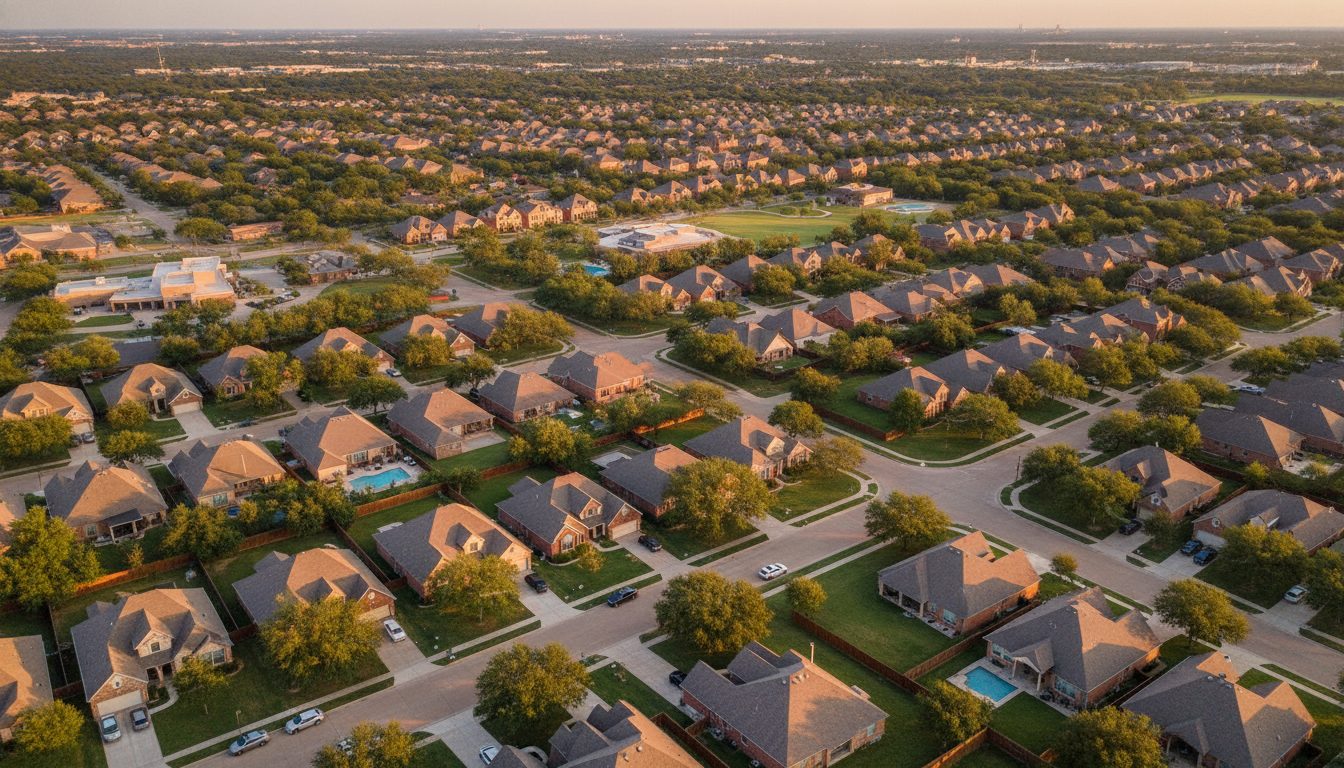
Short answer: If comparable homes in Dallas County are assessed lower than yours, it's a strong indicator your property might be over-assessed. You can challenge this by filing an "equal and uniform" protest with the Dallas Central Appraisal District (DCAD). This approach argues your property's value is unfair compared to similar homes, potentially lowering your 2026 property taxes.
- Lower comps signal over-assessment.
- Protest using "equal and uniform" grounds.
- DCAD website is key for property data.
- Verify protest deadline with DCAD.
- Tools can help identify your 'gap'.
Why Do Lower Comparable Home Values Matter for Your Dallas County Appraisal?
When your home’s assessed value in Dallas County is higher than comparable properties, it suggests an over-assessment. Texas law, specifically Tax Code 41.43(b)(3), allows you to protest your property’s value on “equal and uniform” grounds. This means your home should be appraised at a value consistent with the average market value of comparable properties in your neighborhood.
The Dallas Central Appraisal District (DCAD) uses various methods to determine your property’s value, but sometimes their data doesn’t fully capture market nuances or recent sales. Your job in a protest is to present compelling evidence that shows your home is valued disproportionately higher than similar homes, giving you a strong case for a reduction.
- ✓Argues your property's value is higher than its true market value.
- ✓Requires evidence of recent sales prices for your home or very similar properties.
- ✓Often used when market conditions have declined significantly.
- •Argues your property's value is unfair compared to similar homes.
- •Requires evidence of *assessed values* for comparable properties.
- •Focuses on fairness relative to neighbors, not just absolute market value.
How Can I Find Comparable Homes Assessed Lower Than Mine in Dallas County?
Gathering evidence of lower-assessed comparable homes is crucial for your protest. Here’s how you can find them:
- DCAD Website: Start with the Dallas Central Appraisal District’s official website. You can search for properties by address or owner name and view their appraisal history, square footage, and other details. Look for homes in your immediate neighborhood that are similar in age, size, and condition to yours.
- Public Sales Data: Real estate websites often provide recent sales data. While sales prices aren’t directly appraisal values, they can help you identify properties that might have been assessed lower post-sale.
- Neighborhood Reconnaissance: Sometimes, a simple drive through your neighborhood can reveal properties similar to yours. Note their addresses and then look them up on the DCAD website.
Identifying truly comparable homes can be time-consuming. Our free tool at app.taxgapstx.com/check can help you quickly identify potential over-assessments in Dallas County by comparing your home to others assessed for less, based on public appraisal data.
What is an 'Equal and Uniform' Protest and How Does it Work?
An “equal and uniform” protest is a powerful tool under Texas law. Instead of arguing your home’s market value is too high, you argue that your property is appraised at a higher percentage of its market value than comparable properties. This means you are seeking to have your assessed value adjusted to be fair and equitable with other similar homes.
To win an equal and uniform protest, you’ll need to present evidence of at least five comparable properties that are:
- Located in the same neighborhood or a similar market area.
- Similar in age, size, and features to your home.
- Assessed at a lower value per square foot or overall compared to your property.
This evidence is typically presented during an informal review with a DCAD appraiser or at an Appraisal Review Board (ARB) hearing. The goal is to show a clear disparity that warrants a reduction in your property’s assessed value.
What Are the Key Deadlines and Steps for Protesting Your DCAD Appraisal?
Understanding the protest timeline is critical for your 2026 Dallas County appraisal. The standard deadline to file a protest is May 15 or 30 days after your Notice of Appraised Value was mailed, whichever is later. Always verify this specific deadline with the Dallas Central Appraisal District (DCAD) directly, as dates can vary.
Here are the general steps:
- Receive Your Notice: DCAD mails appraisal notices each spring, typically in April.
- File a Protest: If you disagree with your appraisal, file a Notice of Protest by the deadline. You can usually do this online via the DCAD website.
- Informal Review: Many homeowners have an opportunity for an informal meeting with a DCAD appraiser to discuss their concerns and present evidence.
- Appraisal Review Board (ARB) Hearing: If you don’t reach an agreement informally, your case goes before the ARB, an independent panel that hears evidence from both you and DCAD.
- Binding Arbitration or Lawsuit: If you’re still not satisfied with the ARB’s decision, you may have options like binding arbitration for residential properties or filing a lawsuit.
Tips for Preparing Your Evidence for a DCAD Appraisal Protest
A well-prepared protest relies on solid evidence. Here are some tips to strengthen your case:
- Be Specific: When selecting comparable properties, aim for those that closely match yours in terms of square footage, lot size, construction type, age, and condition.
- Document Everything: Take photos of any damage or deferred maintenance on your property that might affect its value. If your home has unique challenges (e.g., backing onto a busy road), document those too.
- Consider Market Conditions: Provide evidence of market trends in your specific neighborhood. Have sales prices declined? Is inventory high?
- Know Your Data: Be familiar with the appraisal values and details of your selected comparable properties. You’ll need to explain why they are good comparisons.
- Stay Calm and Respectful: Whether in an informal meeting or an ARB hearing, present your case clearly and respectfully.
Is It Worth Protesting Your Dallas County Appraisal on Your Own?
Protesting your property appraisal can feel like a daunting task, especially when dealing with complex data and legal terminology. While many homeowners successfully protest on their own, understanding the nuances of Texas Tax Code and effectively presenting evidence can be challenging.
If you’re confident in your ability to research, gather, and present compelling data, a DIY approach can work. However, if you’re short on time, find the process intimidating, or want to maximize your chances of success, getting help can be a wise investment. Professional services specialize in property tax protests, often having access to extensive data and expertise in building strong cases.
If the process feels daunting, or you’re unsure how to best present your evidence, consider exploring services like Tax Gaps TX. Our free tool at app.taxgapstx.com/check can give you a head start by identifying your potential gap, and our specialists can guide you through the next steps.
Check your home in minutes
Tax Gaps TX has a free home check at app.taxgapstx.com/check — enter your address and, in about a minute, see your estimated over-assessment gap for Travis (TCAD) or Dallas (DCAD) county, based on public appraisal data and comparable homes assessed for less than yours. A specialist can then walk you through the evidence and whether it's worth protesting.
Frequently asked questions
How often can I protest my property value in Dallas County?
You can protest your property's value every year. The Dallas Central Appraisal District (DCAD) sends out new appraisal notices annually, giving you a fresh opportunity to review your assessment and file a protest if you believe it's too high or unequal.
What if I miss the protest deadline for DCAD?
Missing the protest deadline (May 15 or 30 days after notice, whichever is later) generally means you lose your right to protest for the current tax year. There are very limited exceptions, such as a clerical error by the appraisal district or a significant change in property use. It's crucial to mark your calendar and file on time.
Can I protest my Dallas County appraisal if I have a homestead exemption?
Yes, absolutely! Having a homestead exemption does not prevent you from protesting your property's value. In fact, a protest can further reduce your taxable value, even with the 10% homestead cap in place. You can still argue for a lower market value or an "equal and uniform" adjustment.
What is binding arbitration for property tax protests in Texas?
Binding arbitration is an option for residential property owners in Texas if they are not satisfied with the Appraisal Review Board's (ARB) decision. It involves an independent third-party arbitrator reviewing the evidence and making a final, legally binding decision on your property's value. There is a fee involved, and specific rules apply, so consult DCAD or the Texas Comptroller for details.
Tax Gaps TX provides general information, not legal, tax, or financial advice. Deadlines and exemption amounts change; confirm current figures with your county appraisal district or the Texas Comptroller.