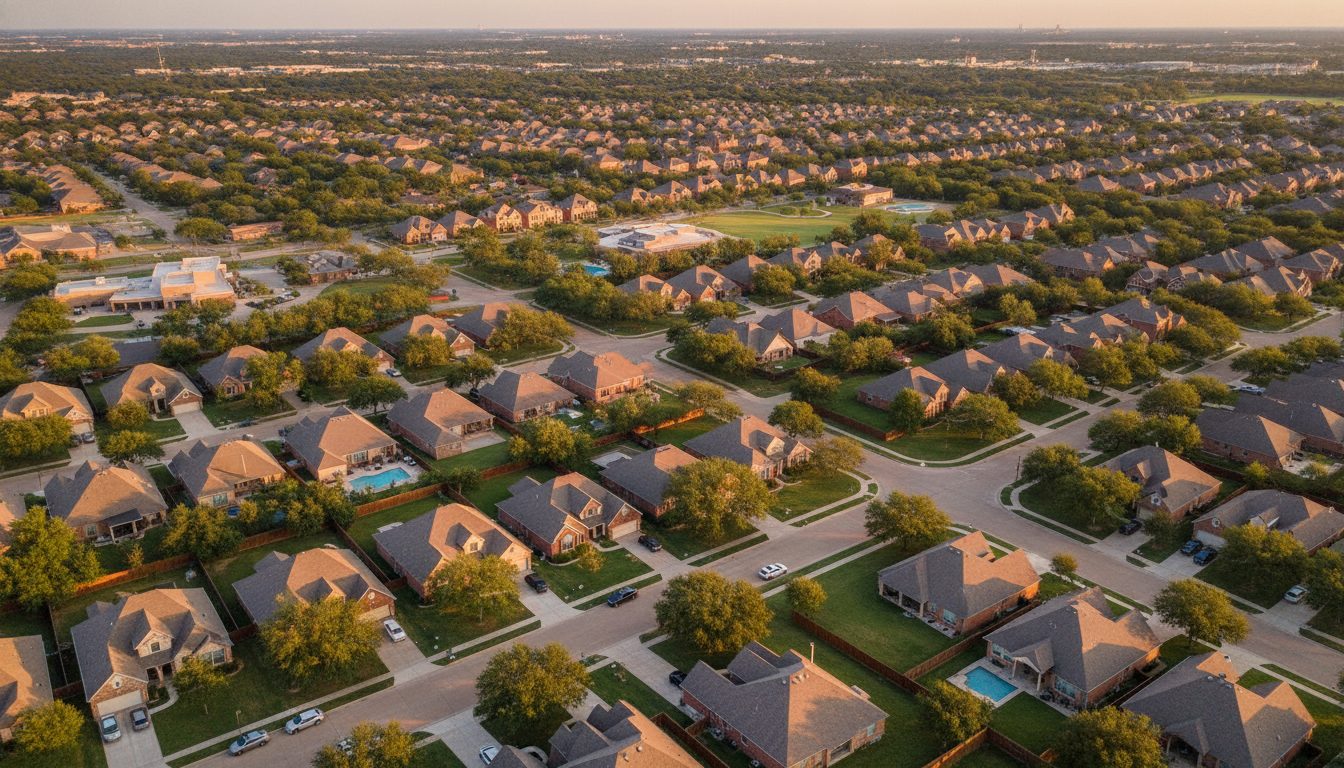
Short answer: To protest your Fort Bend County property taxes, first review your appraisal notice from FBCAD for the 2026 tax year. File your protest by the standard deadline of May 15, 2026, or 30 days after your notice was mailed, whichever is later. Gather strong evidence, such as comparable sales or unequal appraisals, to support your claim.
- Review your 2026 FBCAD appraisal notice carefully.
- File your protest by May 15, 2026, or 30 days from notice.
- Gather strong evidence like comparable sales.
- Consider all protest grounds, especially unequal appraisal.
- Utilize FBCAD's informal and formal hearing processes.
Understanding Your Fort Bend County Appraisal Notice for 2026
When your Fort Bend Central Appraisal District (FBCAD) appraisal notice arrives, it’s more than just a piece of mail – it’s your first opportunity to understand how your property is valued for the 2026 tax year. This notice details your home’s assessed value, which is the basis for your property taxes. It’s crucial to review this document closely to identify any potential over-assessments.
Look for these key pieces of information on your notice:
- Market Value: This is FBCAD’s estimate of what your home would sell for on January 1, 2026.
- Appraised Value: For homestead properties, this value might be capped by the 10% homestead cap. This is the value your taxes are actually calculated on.
- Exemptions: Verify that all exemptions you qualify for, such as your homestead exemption, are correctly applied.
- Deadline to Protest: While the standard deadline is May 15, your specific notice will confirm the exact date you must file your protest.
Comparing FBCAD’s market value to what you believe your home is actually worth is the first step in identifying a ‘tax gap’ – the difference you might be overpaying.
Key Deadlines for Fort Bend County Property Tax Protests in 2026
Missing a deadline can mean forfeiting your chance to protest your property taxes for the year. For Fort Bend County homeowners in 2026, the primary deadline for filing your protest is May 15th. However, there’s a crucial exception: if your appraisal notice was mailed later, you have 30 days from the date the notice was mailed to file your protest, whichever date is later. Always verify your specific deadline directly on your FBCAD appraisal notice.
It’s wise to act quickly once you receive your notice. The earlier you submit your protest, the more time you’ll have to gather evidence and potentially resolve your case informally with the appraisal district.
How to File Your Property Tax Protest with FBCAD
Filing a protest with the Fort Bend Central Appraisal District (FBCAD) is a straightforward process designed to give homeowners a voice. Here’s how to do it:
- Fill Out the Protest Form: FBCAD typically includes a protest form with your appraisal notice. You can also download it from the FBCAD website or pick one up in person. Make sure to clearly state your reason(s) for protest. Common grounds include:
- Market Value is Too High: You believe FBCAD’s market value is more than your home would sell for.
- Unequal Appraisal: Your property is appraised higher than similar properties in your neighborhood (Texas Tax Code 41.43(b)(3)).
- Incorrect Property Information: Mistakes in square footage, lot size, or other features.
- Failure to Grant Exemptions: You qualify for an exemption that hasn’t been applied.
- Submit Your Form: You can submit your completed protest form online through the FBCAD portal, mail it, or hand-deliver it to their office. Ensure it’s submitted before your deadline.
- Prepare for the Informal Review: After filing, FBCAD may offer an informal review where you can discuss your valuation with an appraiser. This is often the quickest way to resolve your protest if you have strong evidence.
Remember, the goal is to present a compelling case that demonstrates your property’s assessed value is incorrect.
Gathering Evidence to Support Your Protest
The strength of your property tax protest hinges on the quality of your evidence. Without solid data, your claim is unlikely to succeed. Here’s what you should focus on gathering:
- Comparable Sales Data: Research recent sales (from the last 12-18 months, ideally before January 1, 2026) of similar homes in your immediate neighborhood. Look for properties with similar age, size, condition, and amenities. Online real estate sites and local realtors can be good sources.
- Unequal Appraisal Evidence: This is a powerful protest ground in Texas. It means showing that your home is valued higher than comparable properties in your neighborhood, even if FBCAD’s market value for your property seems reasonable. You’ll need appraisal district data for these comparable properties, showing their assessed values per square foot are lower than yours.
- Photos of Damage/Condition: If your home has significant damage or is in poorer condition than FBCAD’s records indicate, take dated photos.
- Repair Estimates: Obtain written estimates for major repairs needed that would impact your home’s value.
- Independent Appraisal: A professional appraisal from a licensed appraiser can be very strong evidence, though it comes with a cost.
Finding accurate comparable sales and unequal appraisal data can be time-consuming. Tax Gaps TX offers a free tool to help Fort Bend County homeowners quickly check their estimated over-assessment gap by analyzing public appraisal data and identifying comparable homes assessed for less than yours. This can provide a powerful starting point for your evidence.
What Happens After You File: The ARB Hearing and Beyond
Once you’ve filed your protest, the process moves through several stages:
- Informal Review: Many protests are resolved at this stage. You’ll meet with an FBCAD appraiser to present your evidence. If you reach an agreement, your protest is settled.
- Appraisal Review Board (ARB) Hearing: If no agreement is reached informally, your case goes before the Appraisal Review Board (ARB). The ARB is an independent panel of local citizens. You’ll present your evidence, and FBCAD will present theirs. The ARB will then make a decision.
- Binding Arbitration or Judicial Appeal: If you’re still not satisfied with the ARB’s decision, you have further options. You can request binding arbitration, where an independent arbitrator makes a final decision, or you can file an appeal in district court. These options typically involve additional costs.
Throughout this process, remember that being prepared and presenting clear, factual evidence is your best approach. Your goal is to convince FBCAD or the ARB that their valuation is incorrect based on market realities or unequal treatment.
Check your home in minutes
Tax Gaps TX has a free home check at app.taxgapstx.com/check — enter your address and, in about a minute, see your estimated over-assessment gap for Travis (TCAD), Dallas (DCAD), or Fort Bend (FBCAD) county, based on public appraisal data and comparable homes assessed for less than yours. A specialist can then walk you through the evidence and whether it's worth protesting.
Frequently asked questions
Can I protest my taxes if I missed the May 15 deadline in Fort Bend County?
Generally, no. The May 15 deadline (or 30 days from your notice, whichever is later) is strict for most protest grounds. However, there are limited exceptions, such as if you didn't receive a notice of appraised value, or for certain clerical errors. Always contact FBCAD directly to understand if your situation qualifies for a late appeal.
What is an informal meeting with FBCAD?
An informal meeting is your first opportunity to discuss your property value with an FBCAD appraiser after filing your protest. It's an informal negotiation where you present your evidence, and they may offer a settlement. Many protests are resolved at this stage without needing a formal ARB hearing.
What is the homestead exemption in Fort Bend County and how does it affect my taxes?
The homestead exemption reduces the taxable value of your primary residence, lowering your property tax bill. For Fort Bend County homeowners, this includes a mandatory $100,000 exemption from the school district value and may include optional exemptions from other taxing units. It also provides a 10% cap on how much your appraised value can increase each year. To receive it, you must apply to FBCAD. Exemptions and their amounts can change, so verify current figures with FBCAD.
What is 'equal and uniform' appraisal?
Equal and uniform appraisal is a legal ground for protest under Texas Tax Code 41.43(b)(3). It means your property is appraised at a higher value compared to similar properties in your neighborhood. Even if FBCAD's market value for your home seems accurate, if your neighbors' similar homes are assessed for less, you may have a strong case for unequal appraisal.
Tax Gaps TX provides general information, not legal, tax, or financial advice. Deadlines and exemption amounts change; confirm current figures with your county appraisal district or the Texas Comptroller.